Edge Computing Meets Microgrids: A Green Revolution for Data Centers?
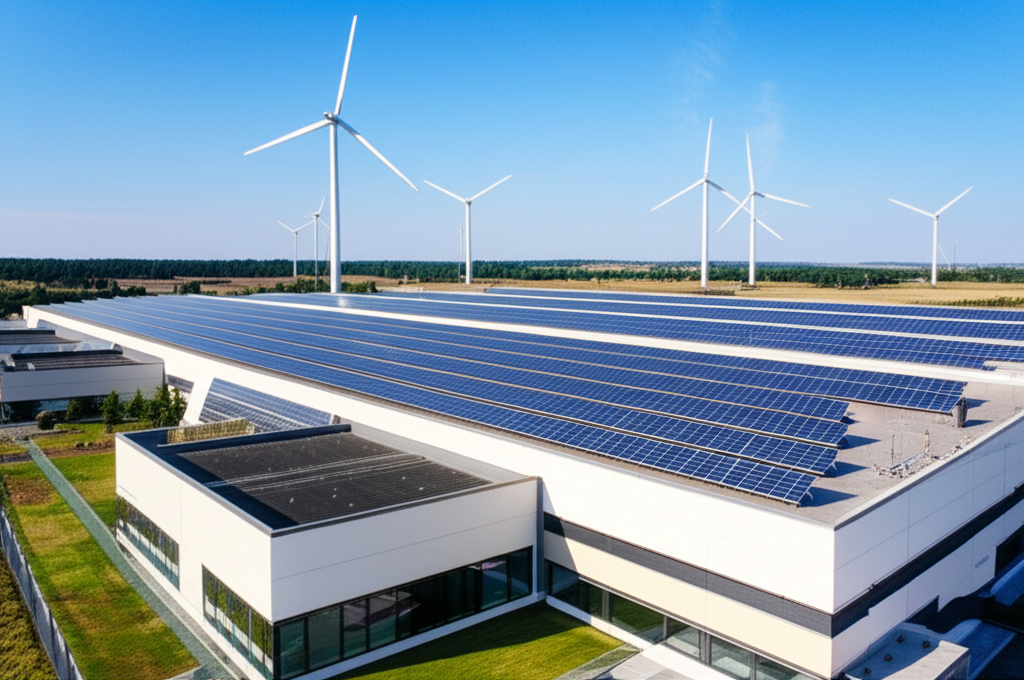
Edge computing and sustainable microgrids are converging to create greener, more efficient data centers, driving market growth and attracting significant investment.
The surging demand for low-latency data processing and the growing concerns about the environmental impact of data centers are converging to create a new frontier in technological innovation: the integration of edge computing with sustainable energy microgrids. This synergistic approach promises to significantly enhance data center efficiency while reducing their carbon footprint, presenting a compelling proposition for both tech giants and environmentally conscious investors.
Traditional data centers, often centralized and energy-intensive, are facing increasing pressure to minimize their environmental impact. The International Energy Agency (IEA) estimates that data centers consumed around 200 terawatt-hours of electricity globally in 2021, a figure projected to increase significantly. Edge computing, which processes data closer to its source, offers a solution by reducing the reliance on long-distance data transmission, thus lowering energy consumption. However, the power needs of even distributed edge nodes remain substantial.
This is where sustainable energy microgrids come into play. These localized grids, often powered by solar, wind, and other renewable sources, can provide a cleaner and more reliable power supply for edge computing facilities. By integrating renewable energy generation with energy storage systems, microgrids can mitigate the intermittency of renewable sources and ensure a continuous supply of power. This approach not only reduces reliance on the traditional grid but also enhances energy security and resilience for edge computing infrastructure.
Companies like Schneider Electric and Eaton are at the forefront of developing integrated solutions that combine edge computing hardware with microgrid management systems. These solutions leverage advanced analytics and AI to optimize energy consumption, predict energy demand, and integrate various renewable energy sources seamlessly. The use of intelligent power management systems allows for dynamic resource allocation and minimizes energy waste, further improving efficiency.
The market impact of this convergence is significant. The global edge computing market is expected to witness substantial growth in the coming years, with estimates reaching hundreds of billions of dollars by 2030, according to Gartner. The simultaneous growth in the renewable energy sector and the increasing adoption of microgrids will further fuel this expansion. Investors are increasingly recognizing the potential for high returns and environmental benefits associated with companies involved in this space.
However, challenges remain. The initial investment costs for implementing microgrids and integrating them with edge computing infrastructure can be high. Moreover, regulatory hurdles and grid interconnection complexities can slow down adoption. Addressing these challenges requires collaboration between technology providers, energy companies, and policymakers to create favorable regulatory frameworks and incentivize investment in this promising technology.
In conclusion, the convergence of edge computing and sustainable energy microgrids represents a significant step towards creating more efficient and environmentally responsible data centers. While challenges persist, the potential benefits – in terms of cost savings, reduced carbon emissions, and enhanced energy security – are substantial enough to propel this trend toward widespread adoption in the years to come.
- Primary Technology Research & Architecture Dispatch TrendingTech Intelligence
Want real-time AI & tech intelligence dispatches?
Join the official TrendingTech Daily Telegram channel for breaking research, model launches, and market analysis.