Iran Strait Closure: Global Economic Shockwaves
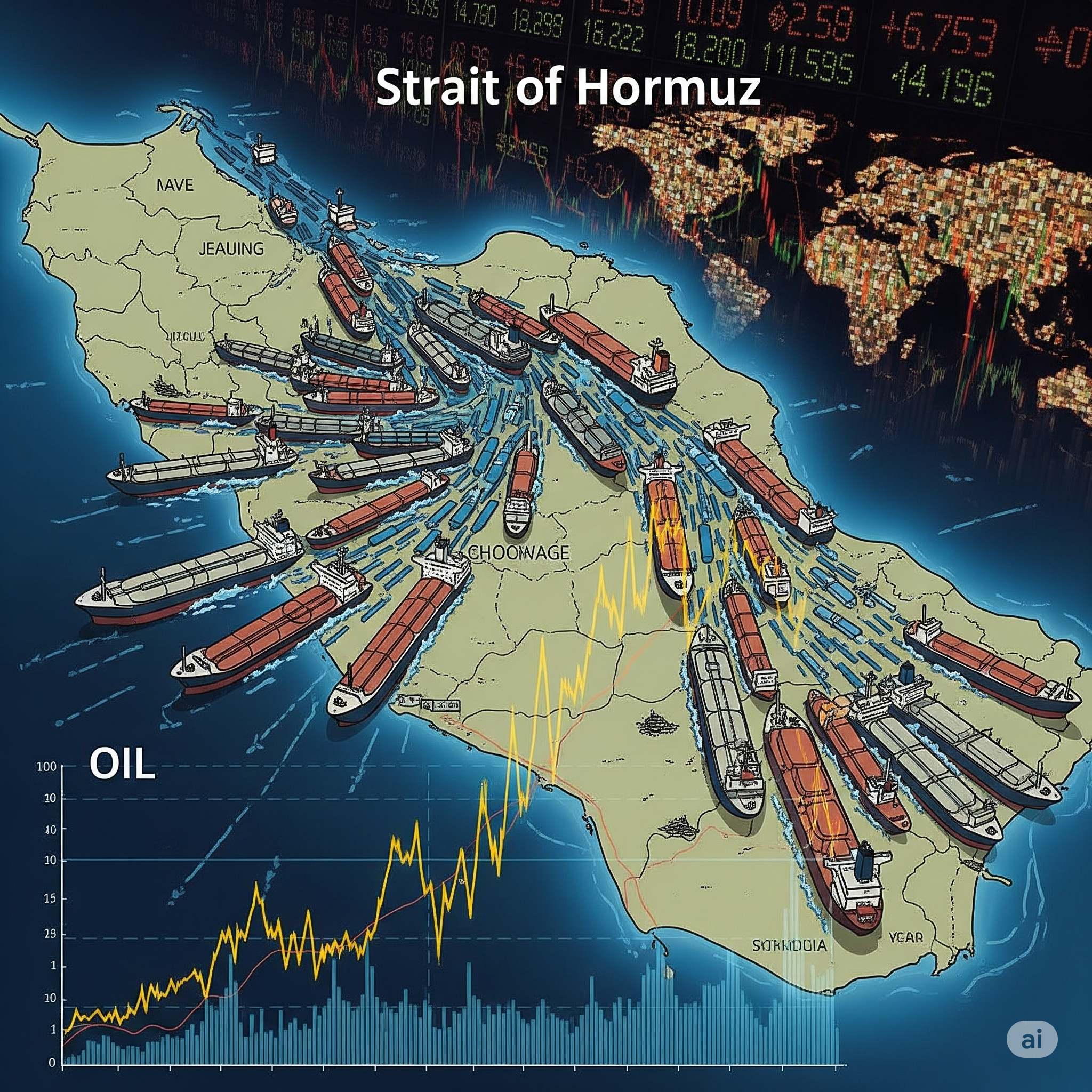
Iran's Strait of Hormuz closure triggers a global economic crisis: oil prices surge, markets plummet, and supply chains face major disruptions.
The Impact of Iran Closing the Strait of Hormuz on the Global Economy
As of 11:04 PM IDT on Sunday, June 22, 2025, tensions in the Middle East have reached a critical juncture with reports indicating that Iran has closed the Strait of Hormuz, a vital maritime chokepoint, in response to escalating hostilities with Israel. This dramatic move follows Israel’s airstrikes on Iranian nuclear and military sites on June 13, 2025, and Iran’s subsequent retaliatory missile launches. The closure of the Strait, through which approximately 30% of the world’s seaborne oil trade flows, threatens to unleash severe economic consequences globally. This article analyzes the immediate effects, short-term disruptions, and long-term implications for the global economy based on current developments and expert projections.
Immediate Economic Shockwaves
The closure of the Strait of Hormuz, confirmed by Iranian state media on June 22, 2025, has triggered an unprecedented spike in oil prices. Brent crude futures surged by 18% within hours, reaching $92 per barrel by late evening IDT, with analysts predicting a potential climb to $120–$130 per barrel if the closure persists. The Strait facilitates the export of around 17 million barrels of oil per day from countries like Saudi Arabia, the UAE, Iraq, and Kuwait, alongside significant liquefied natural gas (LNG) shipments. This sudden disruption has halted a critical artery of global energy supply, sending shockwaves through financial markets.
Stock markets reacted swiftly, with U.S. futures dropping 2.5% and European indices falling over 3% in pre-market trading on June 23, 2025. Asian markets, already jittery from the Israel-Iran conflict, saw further declines, while gold prices soared to $2,450 per ounce as investors sought safe-haven assets. The U.S. dollar strengthened, complicating debt servicing for developing nations, a trend likely to exacerbate economic inequality.
Energy Market Disruption and Inflation Pressures
The Strait of Hormuz’s closure poses an immediate threat to global energy markets. Alternative routes, such as the East-West Pipeline in Saudi Arabia or the UAE’s Habshan-Fujairah pipeline, can handle only a fraction of the diverted volume—approximately 5 million barrels per day combined. This shortfall could lead to a supply crunch, with the International Energy Agency (IEA) warning of a potential 10–15% reduction in global oil availability if the closure extends beyond a week.
The economic fallout includes a sharp rise in fuel costs, with gasoline prices in the U.S. projected to exceed $4 per gallon and diesel reaching record highs in Europe. This spike threatens to reignite inflation, which had begun to stabilize in early 2025. Economists estimate that a sustained 20% oil price increase could elevate global inflation by 0.8 percentage points, challenging central banks’ ability to maintain current interest rate policies. The European Central Bank and the U.S. Federal Reserve may face pressure to pause rate cuts, risking a stagflation scenario—stagnant growth alongside persistent price increases.
China, heavily reliant on Iranian oil despite sanctions, faces a dual challenge: higher import costs and potential supply cuts. India, another major buyer of Middle Eastern crude, could see its trade deficit widen by $10 billion monthly, straining its currency reserves. These shifts could trigger a domino effect, slowing industrial output in Asia and beyond.
Trade and Supply Chain Chaos
Beyond energy, the closure disrupts global trade routes critical for goods beyond oil. The Red Sea, already hampered by Houthi attacks, and the Suez Canal, a complementary passage, cannot fully absorb the redirected traffic, leading to shipping delays and increased freight costs. Container shipping rates from Asia to Europe could rise by 30–40%, echoing the 2021–2022 supply chain crises. Companies like Maersk and MSC have warned of rerouting via the Cape of Good Hope, adding 10–14 days to transit times and escalating operational costs.
Countries dependent on Hormuz-related trade, such as Egypt and Jordan, face immediate economic strain. Egypt’s Suez Canal revenues, a lifeline for its economy, could drop by 15–20% if alternative routes become viable, while Jordan’s gas imports from the Gulf may be curtailed, raising energy prices domestically. The broader Middle East-North Africa region’s growth forecast, already revised downward by 0.5% due to the Israel-Iran conflict, could see further declines.
Financial Market Volatility and Currency Impacts
Financial markets are bracing for prolonged uncertainty. The closure has triggered a selloff in risk assets, with emerging market currencies like the Turkish lira and South African rand weakening by 5–7% against the dollar on June 22, 2025. A stronger dollar increases the burden of dollar-denominated debt, potentially pushing nations like Argentina and Pakistan toward default risks. Hedge funds and institutional investors are adjusting portfolios, with a reported $50 billion shift into U.S. Treasuries and gold within 24 hours of the closure announcement.
The insurance sector faces heightened exposure, with marine insurers raising premiums for ships traversing alternative routes. Lloyd’s of London estimates an additional $1 billion in claims if the closure leads to military escalations or tanker seizures, a scenario Iran has threatened amid its naval buildup in the Gulf.
Regional Economic Strains and Strategic Responses
Israel’s economy, already burdened by $55.6 billion in war-related costs for 2023–2025, faces indirect pressure from higher oil prices and potential U.S. military involvement, which could strain its budget further. Iran, with its economy weakened by sanctions and a collapsing rial, may struggle to sustain the closure, risking domestic unrest if fuel shortages emerge. Gulf states like Saudi Arabia and the UAE are preparing to boost output by 2–3 million barrels per day, but OPEC+ coordination could falter under these conditions.
The U.S., under President Trump, has signaled a measured response, deploying additional naval assets to the Gulf but avoiding direct confrontation as of June 22, 2025. This stance aims to protect shipping lanes while limiting economic blowback, though any escalation could involve sanctions or military action, further complicating global markets. The Trump administration’s focus on domestic priorities may delay a robust diplomatic push, leaving the burden on allies like Saudi Arabia to mediate.
Long-Term Economic Risks and Recovery Prospects
If the Strait remains closed for more than a month, the World Bank warns of a potential 1.2% drop in global GDP growth for 2025, pushing the world toward recession. Prolonged disruption could lead to oil prices exceeding $150 per barrel, as seen in the 2008 financial crisis, with cascading effects on food security and manufacturing. The IEA has activated emergency oil reserves, but their impact may be limited without a resolution.
Recovery hinges on diplomatic efforts. Iran’s closure appears strategic, aimed at pressuring Israel and its allies, but its economic sustainability is questionable. International mediators, including Russia and China, may push for de-escalation to protect their energy interests, though their influence is tempered by geopolitical rivalries. A reopening of the Strait could see oil prices retreat to $80–$90 per barrel, but the damage to trade and consumer confidence may linger.
Conclusion
The closure of the Strait of Hormuz by Iran on June 22, 2025, marks a critical turning point with profound implications for the global economy. Immediate oil price spikes, stock market declines, and trade disruptions signal a severe shock, while long-term risks of inflation, recession, and regional instability loom large. As the international community navigates this crisis, the economic toll will depend on the duration of the closure and the success of diplomatic interventions. With energy markets on edge and supply chains under strain, the world faces a test of resilience in the face of Middle Eastern conflict.
- Primary Technology Research & Architecture Dispatch TrendingTech Intelligence
Want real-time AI & tech intelligence dispatches?
Join the official TrendingTech Daily Telegram channel for breaking research, model launches, and market analysis.