The Hidden Cost of Gratitude: 'Thank You' for LLMs
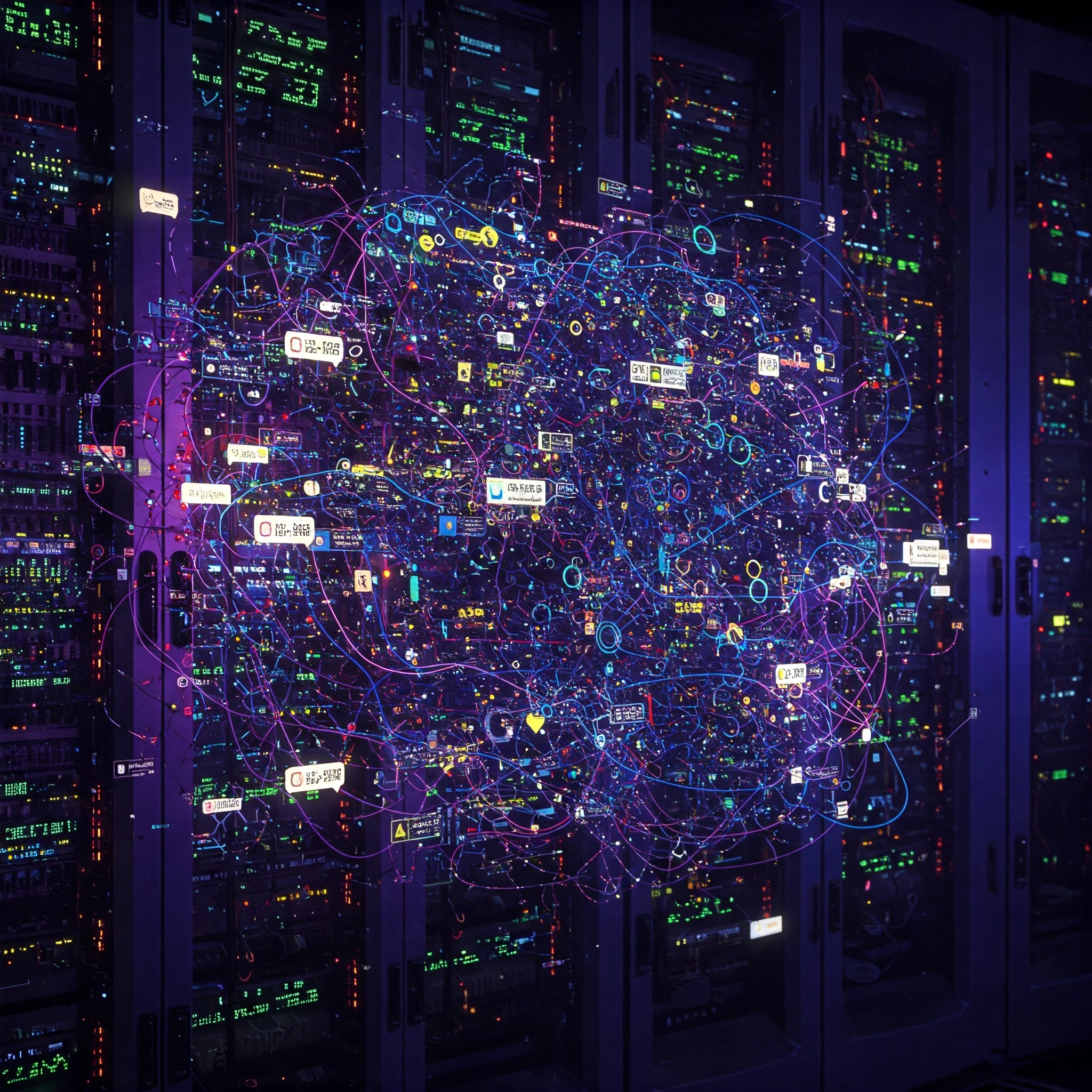
User politeness is costing AI companies money. 'Thank you' messages, while well-intentioned, add unnecessary load to LLMs, impacting infrastructure and efficiency.
The rise of Large Language Models (LLMs) is bringing about transformative changes across a multitude of sectors. However, a particular user interaction, one that might appear inconsequential at first glance, is actually proving to be a surprisingly expensive drain on the resources of companies developing and deploying these advanced AI systems. The specific behavior in question involves users inputting phrases such as "thank you," or similar affirmations and expressions of gratitude, after the LLM has provided a useful or satisfactory answer to their initial prompt.
Although showing courtesy through a simple "thank you" or similar expression is typically seen as a desirable social behavior, and is often encouraged in human-to-human interaction, LLMs are designed to interpret these expressions as if they were legitimate queries or requests for information. This misinterpretation leads to significant operational and financial consequences for the AI providers. The implications are as follows:
The true magnitude of this problem becomes apparent when one takes into account the sheer number of interactions that LLMs handle on a daily basis. Highly utilized models, such as GPT-4 or Claude, are estimated to manage in excess of 50 million individual conversations each and every day. If just a small fraction of users, say around 10%, append a "thank you" or some equivalent expression to their interaction, this results in approximately 5 million unnecessary computational processes that the LLM must undertake. This represents a substantial and avoidable consumption of computing resources, and could translate to added compute costs of potentially $50,000 per day for the AI provider.
Aware of this growing concern, both AI companies and independent developers are actively researching, testing, and implementing a variety of solutions designed to lessen the impact of this issue. These solutions can range from refining the LLM's ability to recognize and appropriately disregard these types of inputs, to implementing pre-processing filters that remove these expressions before they reach the core processing engine of the model.
In summary, effectively addressing the "thank you" phenomenon requires a comprehensive and multi-faceted approach. This approach must strike a delicate balance between maintaining a positive and user-friendly experience for those interacting with the LLM, while simultaneously optimizing the efficiency of resource utilization within the underlying LLM infrastructure. As Large Language Models become even more deeply integrated into the fabric of daily life, finding an effective equilibrium between encouraging polite user behavior and minimizing unnecessary computational expenses – specifically aiming for a 20% reduction in redundant processing of these gratitude expressions – will be absolutely critical for ensuring sustainable deployment and achieving daily cost savings in the realm of $10,000.
- Primary Technology Research & Architecture Dispatch TrendingTech Intelligence
Want real-time AI & tech intelligence dispatches?
Join the official TrendingTech Daily Telegram channel for breaking research, model launches, and market analysis.