Shaping the Future of AI Minds
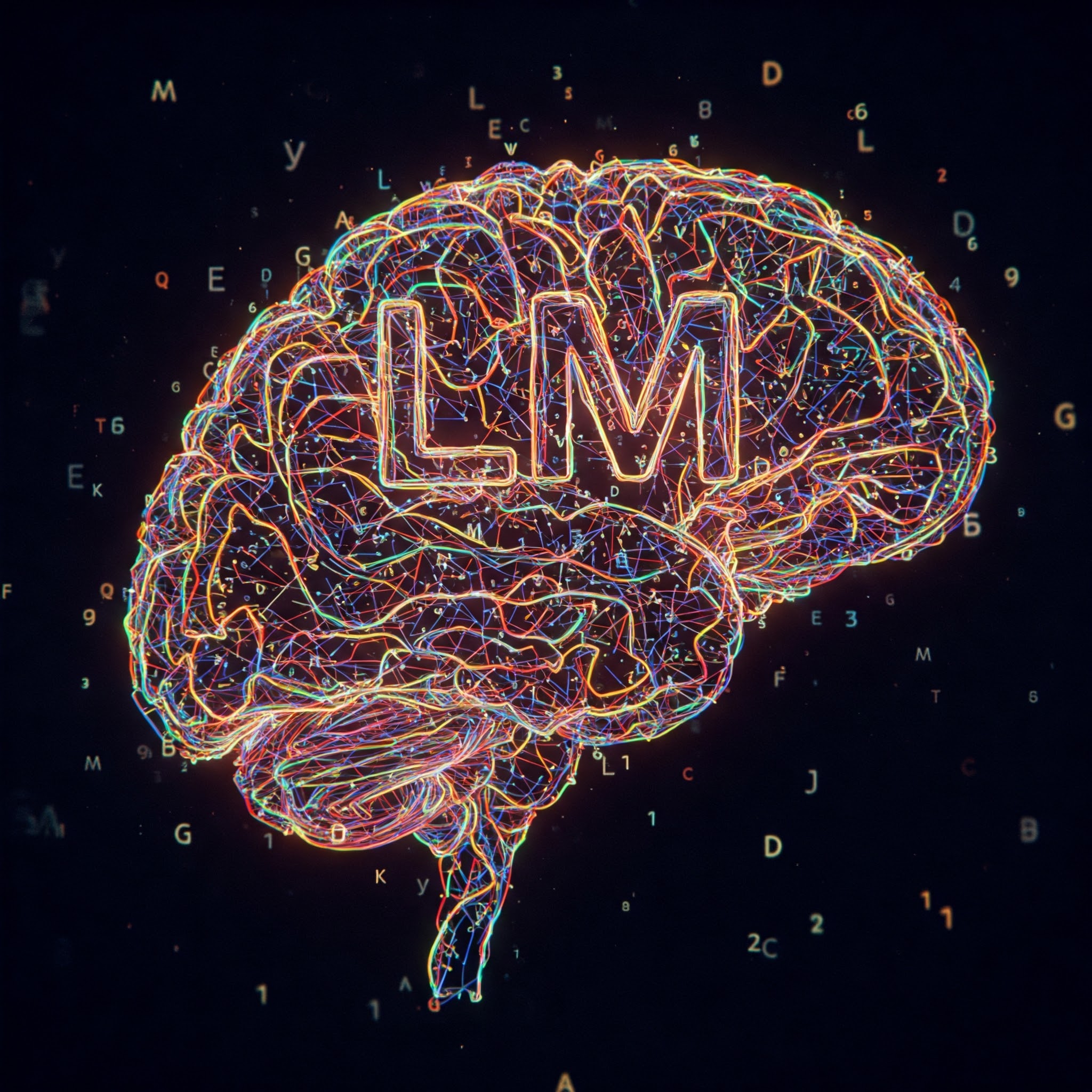
Training Large Language Models (LLMs) is a complex process involving massive datasets, self-supervised learning, and fine-tuning for specific tasks. Understanding this process is key to unlocking the full potential of these powerful AI tools.
Large Language Models (LLMs) are transforming industries, but the process of training these behemoths is complex and computationally intensive. It all starts with massive datasets, often terabytes in size, encompassing text and code from diverse sources like books, websites, and open-source repositories. The quality and diversity of this data are paramount; biased or incomplete data can lead to skewed or unreliable model outputs.
The core of LLM training involves a process called self-supervised learning. The model is fed incomplete text (e.g., with words masked out) and tasked with predicting the missing parts. This iterative process allows the model to learn the underlying structure and relationships within the language. Key to this is the use of transformer networks, which excel at capturing long-range dependencies in text, something recurrent neural networks struggled with. Transformer models rely heavily on attention mechanisms, allowing the model to focus on the most relevant parts of the input when making predictions.

The training process can be broken down into stages. First, there's pre-training, where the model learns a general understanding of language. This is followed by fine-tuning, where the pre-trained model is adapted for specific tasks, such as question answering, text summarization, or code generation. Fine-tuning uses labeled data tailored to the desired task. Techniques like Reinforcement Learning from Human Feedback (RLHF) are also used to align the model's behavior with human preferences and reduce harmful outputs.
Challenges in LLM training include the enormous computational resources required (often involving thousands of GPUs or TPUs), the risk of overfitting (where the model memorizes the training data rather than generalizing), and the difficulty of evaluating the model's performance and identifying biases. Ongoing research focuses on improving training efficiency, reducing resource consumption, and developing more robust evaluation metrics. Techniques like parameter sharing and knowledge distillation are also being explored to create smaller, more efficient LLMs.
- Primary Technology Research & Architecture Dispatch TrendingTech Intelligence
Want real-time AI & tech intelligence dispatches?
Join the official TrendingTech Daily Telegram channel for breaking research, model launches, and market analysis.