Tesla's Hyperloop Ambitions: Hype or Reality?
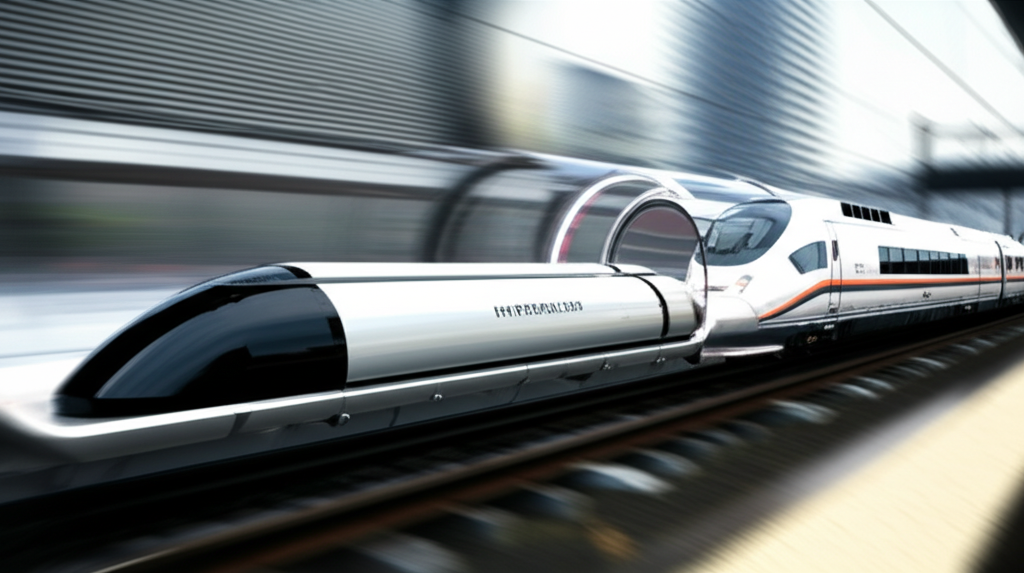
Tesla's Hyperloop project remains largely dormant despite initial hype. Engineering challenges and high costs hinder widespread adoption, leaving the focus on more practical high-speed rail options.
Tesla's foray into high-speed transportation, initially envisioned as a vacuum-tube-based Hyperloop system, remains a topic of ongoing speculation. While Elon Musk first publicized the concept in 2013, outlining a theoretical system capable of transporting passengers at speeds exceeding 700 mph, the company hasn't actively pursued the project in recent years. Instead, focus has shifted towards electric vehicle production and other initiatives like autonomous driving technology and energy storage solutions.
The core technology behind the Hyperloop, a network of low-pressure tubes propelling pods using linear induction motors or air compressors, presents significant engineering and logistical hurdles. Creating and maintaining a near-vacuum environment across potentially hundreds of miles presents immense technological and economic challenges. Questions about cost-effectiveness, safety regulations, and the viability of widespread deployment persist. While various companies, including Virgin Hyperloop and others, have conducted test runs and developed prototypes, full-scale commercial implementation remains elusive.
The initial Tesla concept differed significantly from the approaches taken by other firms. Musk's vision emphasized a more affordable, decentralized system, potentially using existing infrastructure. However, the lack of concrete development from Tesla suggests a reevaluation of priorities or significant unforeseen complexities. The high capital expenditure required to build a Hyperloop network, alongside the potential environmental impact of construction and energy consumption, contributes to the hesitancy of investors and governments to fully support such ventures.
The current focus in the high-speed transportation sector is shifting towards other innovations, such as high-speed rail projects. Several countries are investing heavily in developing advanced rail networks, providing a more immediately practical solution to improving transit speeds. These projects often leverage existing infrastructure and technologies, reducing the significant upfront investment associated with a Hyperloop system.
The market impact of Tesla's potential (or lack thereof) involvement in the Hyperloop sector is currently limited. The absence of significant financial investment and ongoing development from Tesla has not significantly influenced investor sentiment in other Hyperloop-related companies. However, should Tesla revisit the project with substantial resources and a demonstrably viable design, it could potentially disrupt the current landscape and reignite interest in this mode of transportation. This remains highly speculative at this stage.
In conclusion, Tesla's initial Hyperloop concept, while revolutionary in its ambition, currently sits in a state of suspended animation. The engineering, financial, and regulatory challenges associated with building a viable and commercially successful Hyperloop network remain substantial. While not entirely dismissed, the technology’s progression is being closely watched by investors, but is not a dominant factor in the current high-speed transportation market landscape.
- Primary Technology Research & Architecture Dispatch TrendingTech Intelligence
Want real-time AI & tech intelligence dispatches?
Join the official TrendingTech Daily Telegram channel for breaking research, model launches, and market analysis.