US-China Trade Talks: A 2025 Update
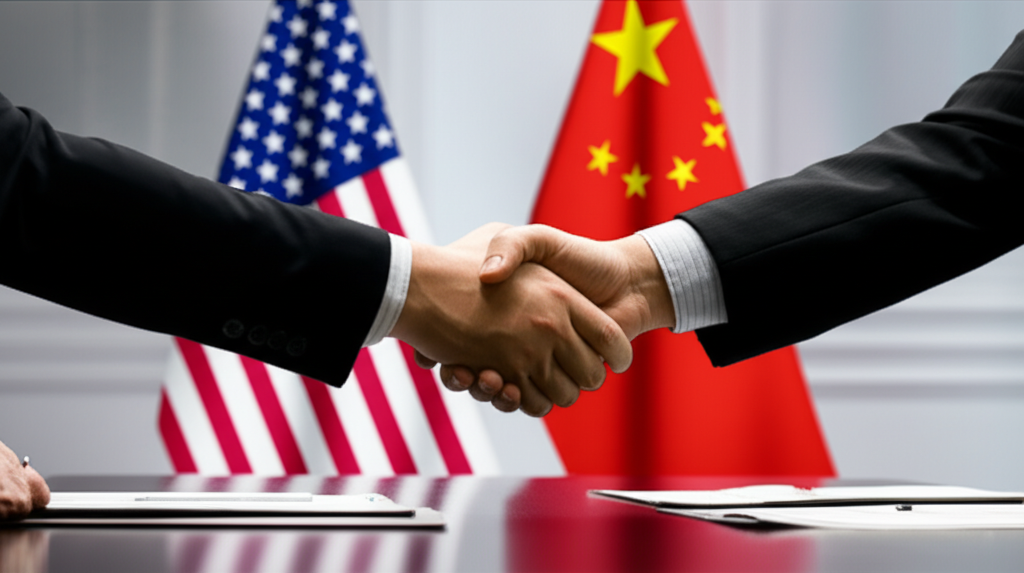
US-China trade talks in 2025 show potential de-escalation, but key issues like tariffs, IP, and geopolitical tensions remain. Economic pressures on both sides drive the need for a resolution.
The ongoing US-China trade war, marked by escalating tariffs and retaliatory measures since 2018, shows signs of potential de-escalation in 2025. Recent high-level talks in Geneva represent a significant shift, driven by economic pressures on both sides and the global ramifications of their prolonged dispute.
The trade war intensified under President Trump's second term, with tariffs on Chinese imports reaching 145%, met by 125% retaliatory tariffs from China. This led to significant market disruptions and fueled recession fears, ultimately pushing both nations towards renewed negotiations. The January 2020 "Phase One" deal, requiring China to increase US goods purchases by $200 billion and implement IP reforms, largely failed, leaving the door open for further conflict.
May 2025 witnessed the first high-level talks since the latest tariff hikes. US Treasury Secretary Scott Bessent and USTR Jamieson Greer met with Chinese Vice Premier He Lifeng. While described as an "icebreaker," the talks were preceded by a tense period of diplomatic maneuvering. China emphasized the need for tariff rollbacks as a sign of US sincerity, while President Trump publicly asserted ongoing discussions, a claim initially dismissed by China.
Key issues dominating negotiations include tariff reductions – the US seeking a reduction from 145% (with Trump suggesting 80% as a potential target) while China demands complete removal – and compliance with the Phase One deal's unmet purchase targets. Intellectual property protection and technology transfer remain contentious, with the US pushing for stronger safeguards against forced technology sharing. Furthermore, the US has linked trade discussions to China's role in combating fentanyl precursor exports and aims to diversify supply chains away from China for critical goods.
Geopolitical tensions further complicate matters. China's national security law in Hong Kong, forced labor allegations in Xinjiang, and US export controls on advanced semiconductors add layers of complexity. China might seek concessions on these fronts in exchange for trade deals. Both the US and China experience significant economic pressures – the US facing recession fears and China battling a property market downturn and decreased exports to the US (down 21% in April 2025). China has implemented significant stimulus measures to counteract these effects.
The political context is equally crucial. Both President Trump and President Xi Jinping face domestic pressures to present any deal as a victory. This dynamic fuels public posturing and makes reaching a compromise challenging. The trade war's impact extends globally. The IMF downgraded global growth forecasts in April 2025, citing the trade tensions. Southeast Asian nations face pressure to align with either the US or China. China is actively strengthening trade ties with ASEAN nations while cracking down on strategic mineral smuggling, hinting at a broader strategy to counter US influence.
While analysts express cautious optimism regarding the Geneva talks, a comprehensive deal remains unlikely in the near term. A partial tariff rollback could serve as a confidence-building measure, but deeper issues require more prolonged negotiations. China's strategic patience and US economic vulnerabilities could give Beijing leverage, although both sides have incentives to avoid an extended trade conflict. The outcome of these negotiations will significantly impact US-China relations and the global economy for years to come.
- Primary Technology Research & Architecture Dispatch TrendingTech Intelligence
Want real-time AI & tech intelligence dispatches?
Join the official TrendingTech Daily Telegram channel for breaking research, model launches, and market analysis.